
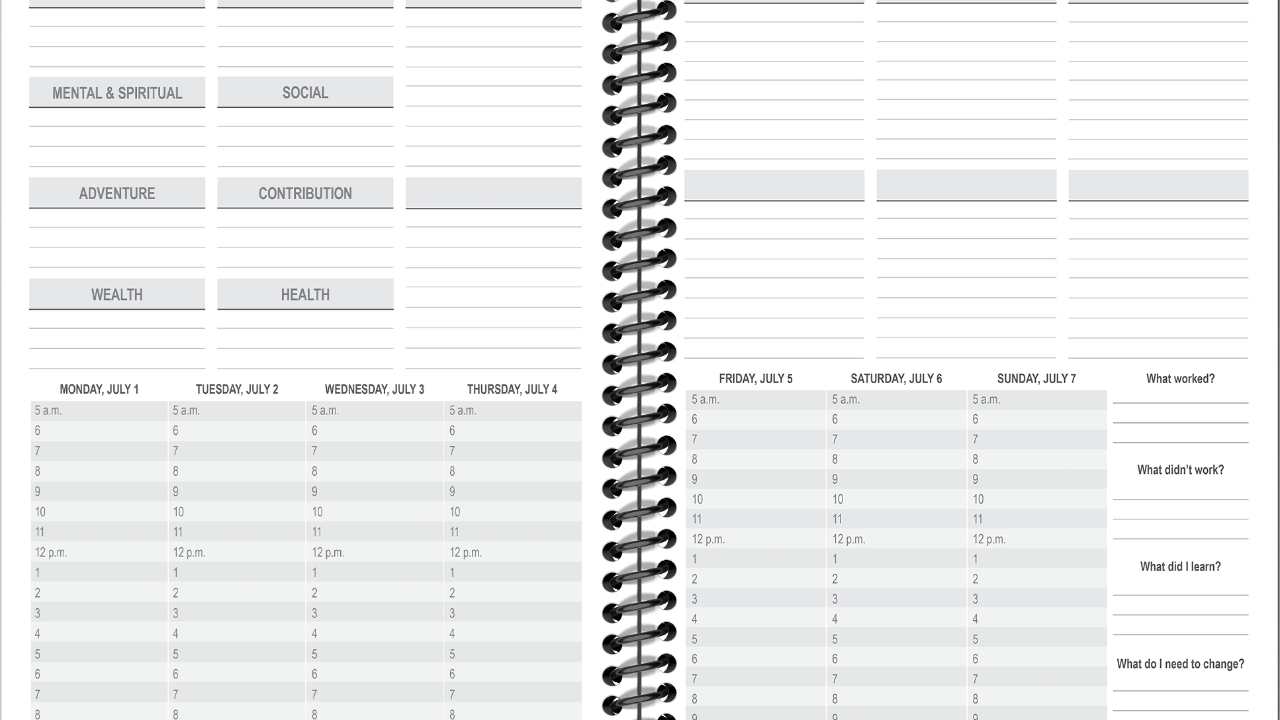
At one point or another, we have all suffered the adverse effects of our own procrastination and laziness. Our lives are only worth what we make them, and living productively and consistently working towards whatever goals we set for ourselves is essential to living a fulfilling and successful life....
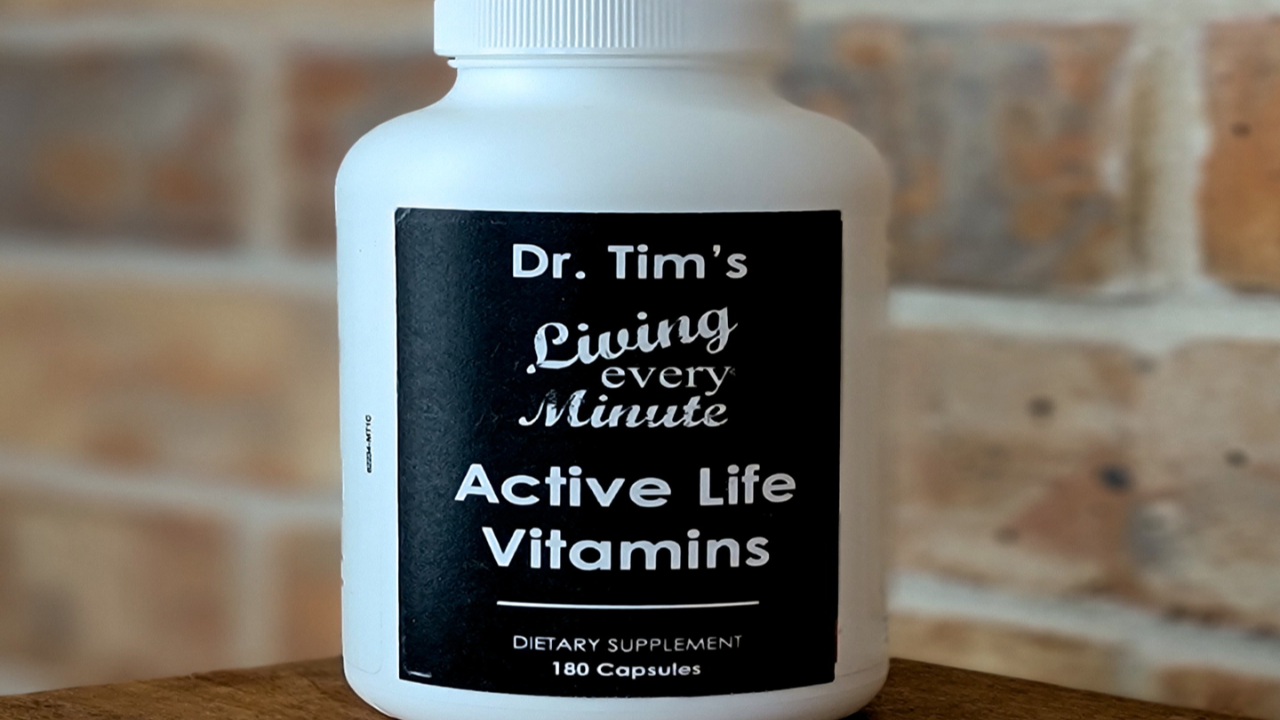
If you're one of the millions of Americans who take vitamins or supplements daily, whether they're spilling out of your medicine cabinet or covering your bathroom countertop, you're not alone. You might be attempting to address a vitamin deficiency, reduce your risk of contracting specific diseases ...
Though it’s been the subject of numerous inspirational posters and t-shirts, the idea of “living in the now” is essential. It takes discipline to live in the present, but once you master it, your life will be richer, and you will see the beauty in every minute of every activity.
Here are 5 accessib...
Living a life full of rejoicing and zeal is a challenge in itself. You need to understand in-depth secrets and philosophy about life. These philosophies come from introspection and reckless thought process.
There are many ways to get close to life. But nothing compares to reading books on life and ...
A story about the value of showing unconditional love.
Sonita the songbird loved waking up the Clark family each morning with her beautiful voice. But one morning shortly before Christmas, they left! Whatever was she going to do for Christmas?
Like clockwork, Sonita the songbird would perch...
Whether you are starting a new medical practice or expanding an existing one, understanding the financial piece of the puzzle can be a challenge. It is one of the most important challenges you will face, but the good news is, you can make it easy. The need for start-up and ongoing capital is vital t...
There are Seven Pillars of Expertise which you MUST be good at to have a truly fulfilled life.
We discussed the Six Pillars in previous posts along with the importance of your Primary Question. Today I will introduce the Seventh Pillar. It is the hardest to explain but also adds the most juice in y...
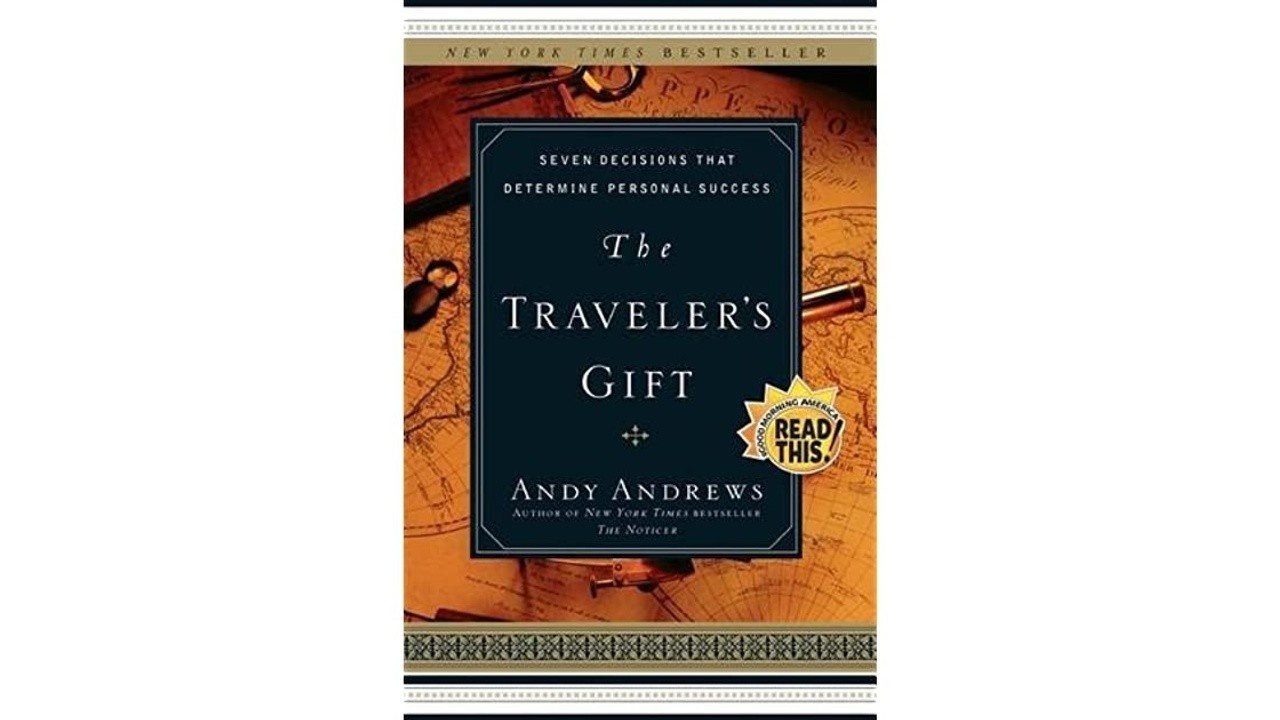
The Traveler’s Gift, Chapters 8-11
Chapter 8
Summary
After leaving Anne, David now realizes he’s in a large tent behind a platform surrounded by people. He’s in Gettysburg again, but this time, he meets Abraham Lincoln, literally minutes before he gives his famous Gettysburg Address. Lincoln gives Da...

Every year, I disappear for about 4 days. It has become known as “hibernation,” probably because my wife thinks I act like a bear most of the time. I literally go away and cannot be found for 4 days. These are my days. I am not available. I do not answer emails, text messages, or phone calls. I tak...

How do you love a homeless person? How do you love a child? How do you love a patient? How do you love a customer?
The answer to each of these is that we love them by serving them. We love them by taking care of them. We don’t wait to “feel” love for them—we take action, and that action is a dem...

Almost everyday someone comes up to me and tells me about something the competition is doing. They think we should change our pricing or our service or what we do in some way because of the way the competition is doing it. That has caused me to do a lot of thinking over the years about competition...

Most of our life we live playing in someone else’s ballpark. Simply put, we live by rules we didn’t create. Think about it.
- You drive a certain speed someone else set as the speed limit.
- You pay taxes someone else decided were the right amount.
- You have to obey rules at work that you didn’t cre ...
